Host guide · Rules and storms
Hurricane prep and post-storm cleanup for Volusia vacation rentals
A pre-storm checklist, what to tell guests, the photos your insurer will want, and the order post-storm cleanup should happen in.
By Dazzle Divas CleaningLast reviewed 5 min read
On this page
Hurricane season and your rental calendar
Atlantic hurricane season runs from June 1 to November 30, so every summer and fall booking should be made with a storm plan already in place.
Start with your evacuation zone. Volusia County sets evacuation levels by the storm surge flooding a hurricane is likely to cause, which is not the same thing as your flood zone. Look up your rental on the county's Know Your Zone page and put the result in your house manual. The county also notes that failing to obey an evacuation order violates Florida law, so your plan should assume guests leave when told to.
Sign up for AlertVolusia, the county's emergency notification service, and ask your cleaner or property manager to do the same so everyone hears about orders at the same time.
Pre-storm checklist for a vacation rental
When a storm is forecast, secure the outside, protect the inside, photograph everything, and make sure someone local can get in afterward.
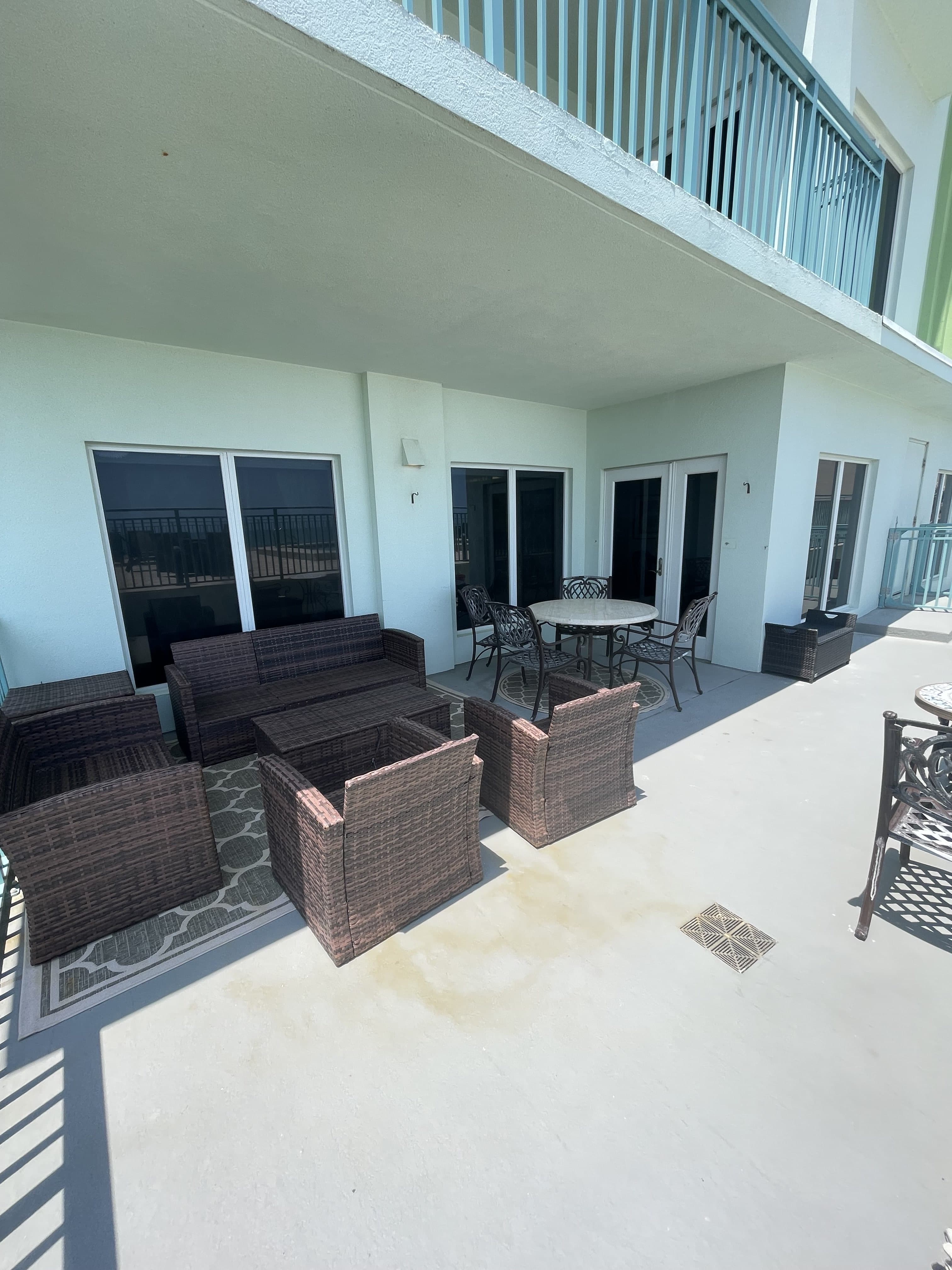
- Bring in anything that can fly: patio furniture, grills, umbrellas, beach gear, trash cans, and kayaks.
- Close up the building with shutters or panels, or confirm your condo association's plan.
- Protect the interior. Move electronics and rugs off ground-floor floors and away from windows, unplug appliances, and close interior doors.
- Deal with the fridge. If the unit will sit empty, clear out perishables so a power outage doesn't become a spoiled-food cleanup.
- Limit water damage. In a vacant unit, consider shutting off the water at the main, and clear balcony and patio drains so rain has somewhere to go.
- Photograph and video every room and the exterior, plus serial numbers of major appliances and electronics. Store the files in the cloud with your policy.
- Update the calendar and message any guests due in the storm window.
- Hand off access. Give your cleaner or manager a key or code and a short list of what to check first after the all-clear.
What to tell guests before and during a storm
Tell guests your storm policy at booking, send a short plan when a storm is forecast, and point them to official county alerts rather than your own forecast.
Don't count on the platform to sort out cancellations. Airbnb's Major Disruptive Events Policy can let guests cancel for a refund and hosts cancel without penalty, but only when Airbnb activates it for an area. The policy treats hurricanes in Florida during hurricane season as foreseeable, so it generally applies only when a storm leads to something like a mandatory evacuation order or a prolonged utility outage. Otherwise your own cancellation policy governs.
That makes your listing the place to set expectations. A good storm message covers:
- The property's evacuation zone and where to check for orders
- What you'll do about refunds or date changes, in plain terms
- What to do before leaving: close shutters if it's safe, take belongings, lock up
- How to reach you or your local contact, and when you'll send the next update
If an order comes mid-stay, make it clear guests should leave and that you'll handle the property. Nobody should stay behind to protect furniture.
Insurance documentation photos
Take dated photos and video of every room before a storm and of all damage afterward, before any cleanup starts, and keep receipts for emergency repairs.
Florida's Department of Financial Services tells property owners to photograph damage, keep receipts for materials bought for emergency repairs, and hold on to damaged property until the insurance company has inspected it. Your policy also expects you to make temporary repairs that prevent further damage, and you should report a claim as soon as possible. If something is unsafe to keep, photograph it before it goes.
A useful post-storm photo set includes:
- A wide shot of every room from the doorway
- Close-ups of water lines, ceiling stains, wet flooring, and broken glass
- The roof, windows, screens, doors, fences, and pool enclosure from outside
- Damaged furniture, appliances, and electronics, with serial numbers
- Any standing water, with something in the frame to show depth
Our crews take insurance documentation photos as part of storm cleanup, with the same habits behind the 30-point photo checklist we send after every turnover.
What post-storm cleaning involves
Post-storm cleaning starts only after the property is safe to enter and documented, then moves from water and debris to sanitizing and a full guest-ready turnover.
- Safety first. Wait for the official all-clear, and keep everyone out if there are downed lines, gas odors, or structural damage.
- Document everything, as above, before anything moves.
- Water and debris. Extraction and drying are restoration work. We coordinate around those crews and clear debris and broken glass.
- Food and appliances. Remove spoiled food and clean the fridge and freezer after an outage.
- Sanitize the surfaces water reached, and treat them to help prevent mold.
- Linens and soft goods. Launder what can be saved and set aside what can't for the adjuster.
- Full turnover with photo verification before the next guest checks in.
Dispatch, response times, and what we handle are on our emergency cleaning page. The 24/7 line stays open through storm season.
Close out the season
After November 30, walk the property, book a deep clean, and update your storm plan with whatever didn't work.
Restock your storm supplies, check that shutter hardware and furniture tie-downs survived, and refresh your pre-season photo set. The end of hurricane season overlaps with the start of snowbird season, so one visit can double as long-stay prep; see our snowbird season guide and our deep cleaning service.
Sources
We checked each source when we last reviewed this guide (September 2026). Rules, rates, and event dates change, so confirm with the agency or organizer before you rely on them.
- Tropical Cyclone Climatology — NOAA National Hurricane Center
- Know Your Zone (Evacuation Plan) — Volusia County Emergency Management
- Get Informed (AlertVolusia and other alert channels) — Volusia County Emergency Management
- General Insurance Coverage FAQs — Florida Department of Financial Services
- Major Disruptive Events Policy — Airbnb Help Center
- Weather events and natural conditions that may be excluded — Airbnb Help Center